When Do You Need a Commercial Site Survey?

Not every commercial installation requires a site survey.

Sometimes existing drawings, photographs, and measurements provide enough information to move forward. In other projects, relying on that information can leave important questions unanswered until the installation team is already on-site.

The difference usually comes down to the complexity of the project, the accuracy of the existing information, and how much the installation depends on actual site conditions.

Here are seven situations where a commercial site survey can be especially valuable.

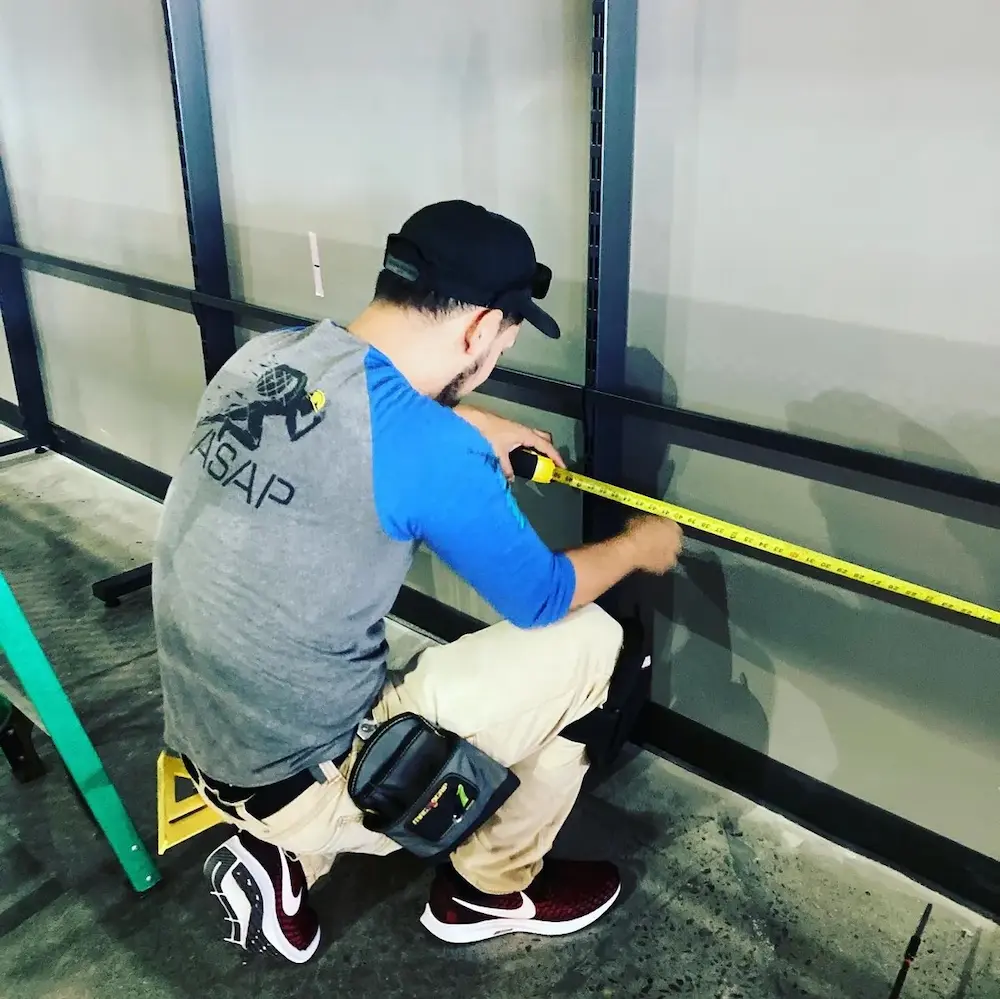
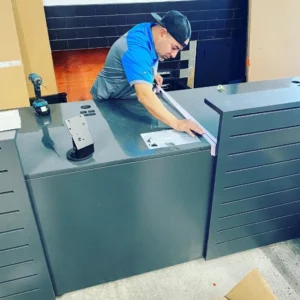
Surveys and Site Planning Services and Action Service technician measuring a retail store fixture.

1. The Installation Depends on Exact Measurements

Some installations leave very little room for error.

Custom graphics, signage, fixtures, office furniture, and other commercial installations may need to fit specific walls, windows, openings, or existing conditions.

When dimensions are uncertain, field verification can give the project team reliable measurements before materials are produced or installation is scheduled.

A site survey can also identify measurements that may not appear on architectural drawings, such as clearances, mounting areas, or the relationship between existing elements.

2. Existing Conditions May Have Changed

Plans are often created well before installation begins.

By the time the installation team reaches the site, walls may have been modified, fixtures may have moved, utilities may have changed, or other work may have altered the original conditions.

A survey provides an opportunity to compare the planned installation with the site as it actually exists.

That can be particularly important for renovation and retrofit projects where the installation is being added to an existing environment rather than a newly constructed space.

3. You're Planning a Multi-Location Project

One location is easier to understand than twenty.

For multi-site projects, assuming every location is identical can create problems later.

A survey program can identify differences in:

  • Dimensions
  • Layouts 
  • Existing Fixtures
  • Mounting surfaces
  • Building access
  • Utility locations
  • Installation restrictions

That information allows project teams to determine where a standardized approach will work and where location-specific adjustments may be needed.

This is especially useful for retail rollouts, signage programs, branded environments, and other projects where consistency matters across multiple locations.

4. Access or Logistics Could Affect the Installation

The installation area is only part of the site.

The installation team also needs to get the materials there.

Loading docks, freight elevators, door clearances, parking restrictions, stairs, staging areas, and building access rules can all affect how a project is delivered and installed.

These details can be easy to overlook when planning from drawings alone.

A site survey can document access conditions so the project team understands the practical requirements before delivery and installation are scheduled.

5. You're Installing Signage or Graphics in an Existing Space

Signage and graphics often depend heavily on the specific surface and location where they will be installed.

A survey can help verify:

  • Wall or window dimensions
  • Existing signage
  • Mounting locations
  • Surface conditions
  • Obstructions
  • Access requirements

This information can be particularly useful when signage or graphics need to fit around existing architectural features or other branded elements.

For projects involving signage installation or graphics installation, field verification can help the production and installation teams work from the same information.

Plan Your Next Commercial Site Survey

Action Services & Programs provides site surveys, field measurements, existing-condition documentation, and access and logistics assessments for retail, signage, graphics, office furniture, and other commercial installation projects. Contact us to discuss the site information your project needs before installation begins.

6. You're Installing Furniture or Fixtures Into an Existing Layout

Office furniture and retail fixtures often need to fit around existing building conditions.

An office workstation may depend on the location of electrical and data connections. A retail fixture may need to fit around columns, doors, walls, or existing displays.

For these projects, the survey is not simply about measuring the room.

It is about understanding how the proposed installation fits within the existing environment.

That can make a survey particularly useful for office furniture installation, retail fixture installations, remodels, and reconfigurations.

7. A Field Problem Would Be Expensive to Fix Later

The strongest reason to conduct a site survey is often simple:

What would happen if the information is wrong?

If an incorrect measurement means reprinting graphics, modifying a fixture, rescheduling an installation crew, or returning to a jobsite, the cost can extend far beyond the survey itself.

A survey does not eliminate every possible installation problem. It does give the project team an opportunity to identify known conditions before those issues become field problems.

That is why the value of a survey should be considered in relation to the risk of not having one.

When You May Not Need a Site Survey

A survey is not automatically necessary for every project.

You may already have sufficient information when:

  • Accurate, recent site measurements are available
  • Existing conditions are well documented
  • The installation is straightforward
  • Access requirements are already known
  • The project does not depend on custom-fit dimensions 
  • The installation team has current drawings and reliable photographs

The decision should be based on the project’s actual requirements rather than treating a site survey as a mandatory step for every installation.

What Should a Commercial Site Survey Answer?

A useful survey should give the project team enough information to make decisions before installation begins.

Depending on the project, that may include:

Dimensions and Existing Conditions

What are the actual dimensions, and what existing conditions could affect the installation?

Access

How will people, equipment, and materials reach the installation area?

Mounting and Installation Conditions

Where can the product or fixture be installed, and what conditions could affect installation?

Utilities and Infrastructure

Are power, data, structural elements, or other infrastructure relevant to the installation?

Obstructions and Conflicts

Are there existing fixtures, doors, columns, equipment, or other elements that could interfere?

Project-Specific Requirements

Are there location-specific conditions that need to be considered before production, delivery, or installation?

The exact scope should match the project. A survey for office furniture does not necessarily need the same information as a survey for exterior signage.

Who Benefits From a Commercial Site Survey?

The value of a good survey extends beyond the installation crew.

Project Managers

Better field information can make scheduling, coordination, and decision-making easier.

General Contractors

Site documentation can help identify conflicts between installation scopes and other work.

Manufacturers and Vendors

Accurate field information can help ensure products are prepared for the conditions they will encounter.

Facilities Teams

Documentation provides a clearer understanding of existing conditions and installation requirements.

Installation Teams

Installers can arrive with a better understanding of the site, access, materials, and expected scope.

The survey becomes a shared reference point rather than information that exists only with the person who visited the site.

Commercial Site Surveys Across Different Installation Projects

One of the advantages of a broader site survey capability is that the same field-planning approach can support different types of commercial projects.

Retail

Surveys can document fixture layouts, dimensions, access, existing conditions, and installation requirements before a store rollout or remodel.

Signage

Surveys can verify sign locations, dimensions, mounting conditions, access, and existing signage.

Graphics

Surveys can document wall and window dimensions, surface conditions, obstructions, and other factors that affect graphic production and installation.

Office Furniture

Surveys can help verify room dimensions, furniture layouts, access paths, existing conditions, and infrastructure that may affect workstation or furniture installation.

Action Services & Programs provides Surveys & Site Planning Services to support these types of commercial installation projects. The service includes site measurements, existing-condition documentation, access and logistics evaluations, utility and infrastructure assessments, installation-readiness assessments, and project coordination support.

A Survey Is About Better Information

A commercial site survey is not valuable simply because someone takes measurements.

Its value comes from answering the questions that matter to the installation.

Can the materials fit?

Is the proposed location practical?

Are the surfaces suitable?

Can the installation team access the site?

Are there existing conditions that need to be addressed?

Does the plan match the location?

The earlier those questions can be answered, the more options the project team has to make adjustments.

Planning a Commercial Installation?

Action Services & Programs provides professional Surveys & Site Planning Services for retailers, contractors, manufacturers, facilities teams, and commercial organizations.

Our team can support site surveys and field planning for retail fixtures, signage installation, graphics installation,office furniture, and other commercial installation projects.

When accurate site information matters to the success of your project, contact Action Services & Programs to discuss your requirements.

COMMERCIAL INSTALLATION RESOURCES

From the field to The Blueprint—explore practical guides and planning resources covering retail installation, site surveys, office furniture, signage, and other commercial project considerations.

Professional digital signage installation in a modern retail store with a wall-mounted digital display above clothing fixtures.

Digital Signage Installation Best Practices

Digital signage is transforming retail and commercial environments, but successful results depend on more than the technology. Learn how professional planning and installation create reliable, visually impactful digital display systems.
Get the Details »
Professional commercial fixture installation

Retail Store Remodel Checklist

Planning a retail renovation? This retail store remodel checklist covers the essential steps to reduce delays, improve project coordination, and deliver a successful commercial remodel from planning through final installation.

Get the Details »

Industry Resources

Action Services believes informed clients build better projects. We’ve compiled trusted industry organizations and standards that can help you plan safer, more efficient commercial installation and remodel projects.

Scroll to Top