What Causes Retail Fixture Installation Delays? 8 Problems to Prevent
What Causes Retail Fixture Installation Delays? 8 Problems to Prevent Retail fixture installation delays can quickly turn into bigger project

Launching a new retail concept or remodeling hundreds of locations is one of the most complex projects a retailer can undertake. Every store has a deadline. Every fixture must arrive in the right place at the right time. A single delay can affect opening schedules, labor costs, and revenue across an entire region.
The difference between a rollout that finishes on schedule and one that struggles through months of delays is rarely the installation itself. Success is determined much earlier during planning, engineering, logistics, and coordination.
Whether you’re opening 20 stores or refreshing 500 locations nationwide, this guide explains how successful fixture rollout programs are planned—and what separates them from projects that fall behind.
A fixture rollout is much more than manufacturing displays or shelving. It involves coordinating multiple disciplines that must work together over months of planning and execution.
Successful programs require:
If any one of these areas breaks down, the entire schedule is at risk.
Unlike a single retail installation, national rollout programs multiply every challenge. One incorrect shipment or delayed delivery can affect dozens of store openings.
That’s why experienced retailers focus on creating systems—not simply completing installations.
While every project is unique, most rollout failures trace back to the same planning mistakes.
One of the most expensive mistakes is continuing to modify fixture designs after production has already begun.
Engineering changes create a ripple effect that impacts manufacturing schedules, purchasing, shipping, and installation.
The earlier a design is finalized—and reviewed by the installation team—the fewer surprises occur during production.
Many retailers wait until designs are complete before engaging manufacturers.
Unfortunately, this often eliminates opportunities for value engineering.
Experienced manufacturing and installation partners frequently identify ways to:
Bringing those experts into the project earlier almost always produces better outcomes.
National rollouts are logistics projects as much as they are construction projects.
Questions that must be answered include:
Without a detailed logistics strategy, even perfectly manufactured fixtures can arrive at the wrong location—or arrive too early to be installed.
No two retail locations are exactly alike.
Ceiling heights differ.
Columns interfere with displays.
Utilities move.
Older buildings require field adjustments.
Successful rollout programs anticipate these variations instead of reacting to them after installation begins.
This is where early site surveys become invaluable. Identifying potential issues before production helps avoid expensive field modifications later.
Every additional vendor creates another opportunity for communication breakdowns.
Many rollout programs involve separate companies for:
Each handoff increases the risk of delays, missing components, damaged fixtures, and scheduling conflicts.
Whenever possible, retailers benefit from working with partners that can manage multiple phases of the project under one coordinated process.
The most successful rollout programs spend more time planning than installing.
Preparation reduces risk and gives every team clear expectations before manufacturing begins.
Before requesting pricing or production schedules, establish:
Detailed planning creates more accurate budgets and realistic timelines.
Rather than estimating when production can begin, start with the first store opening.
Then work backward through every milestone:
This approach helps identify scheduling conflicts before they become costly delays.
Retail construction projects involve many stakeholders.
Operations, procurement, facilities, marketing, and construction teams often have different priorities.
Successful rollout programs bring these groups together early so expectations remain aligned throughout the project.
Every national rollout follows a series of interconnected phases. Each stage builds on the previous one and helps reduce risk before the next phase begins.
A prototype confirms that engineering drawings translate successfully into a finished product.
During this phase, retailers evaluate:
Skipping prototype validation may save time initially but often leads to significantly higher costs during production.
Value engineering isn’t simply about reducing costs.
Its purpose is to improve manufacturing efficiency while maintaining quality and performance.
Experienced engineering teams may recommend:
When completed early, value engineering often reduces both project costs and installation time.
Once prototypes receive approval, manufacturing begins.
Large rollout programs require production schedules that match installation timelines—not simply manufacturing capacity.
Production planning should also account for quality inspections, transportation, and warehouse staging before fixtures ever leave the factory.
Problems are far less expensive to correct inside the manufacturing facility than after fixtures arrive at a retail location.
Comprehensive quality control verifies:
Investing in factory inspections dramatically reduces field issues during installation.
Partner with Action Services & Programs for professional retail fixture installation and nationwide rollout support designed to keep your projects moving forward.
Manufacturing is only half the equation. Once fixtures are complete, they must be stored, organized, and delivered in the correct sequence to support the rollout schedule.
For national retail programs, centralized warehousing provides flexibility when store openings shift or construction schedules change. Rather than sending every fixture directly from the factory, inventory can be staged and released according to the installation calendar.
A well-managed distribution strategy helps:
For retailers managing dozens—or even hundreds—of locations, warehousing becomes a critical part of maintaining project momentum.
The final phase of a rollout is where months of planning come together.
Professional installation teams do more than assemble fixtures. They coordinate with general contractors, store managers, electricians, and other trades to ensure installations are completed safely, accurately, and on schedule.
Experienced installation partners help reduce costly delays by:
Consistency matters. Whether you’re opening five stores or five hundred, every location should reflect the same brand standards and customer experience.
At Action Services & Programs, our Retail Installation team specializes in installing fixtures, displays, shelving, and merchandising systems for national retailers, helping brands maintain consistency across every project.
Not every installation company has the experience or infrastructure to support large-scale rollout programs.
When evaluating a partner, consider the following capabilities.
Large rollout programs require a different level of planning than single-store projects.
Ask about previous national or regional rollout experience, scheduling processes, and how field teams coordinate across multiple markets.
Every successful rollout has a single source of accountability.
Dedicated project managers coordinate communication between retailers, manufacturers, logistics providers, and installation crews, ensuring issues are resolved before they impact store openings.
Accurate site information prevents surprises during installation.
Professional Surveys & Site Planning identify field conditions before materials are manufactured, reducing rework and improving installation accuracy.
Site surveys often uncover:
Identifying these conditions early protects both schedules and budgets.
Successful rollout partners understand more than installation.
They coordinate scheduling, delivery windows, storage requirements, and sequencing to keep projects moving efficiently.
This level of coordination minimizes downtime for both construction teams and store personnel.
Retailers expanding across multiple states benefit from installation partners capable of supporting projects wherever they’re needed.
A scalable labor network provides flexibility while maintaining consistent installation standards across every location.
One of the biggest lessons learned from successful rollout programs is that installation professionals should be involved long before fixtures arrive at the jobsite.
Early collaboration helps improve:
When design, manufacturing, logistics, and installation teams work together from the beginning, problems are solved before they become expensive field issues.
Action Services partners with retailers, manufacturers, and general contractors to deliver professional installation services for complex commercial projects throughout the Pacific Northwest and beyond.
Our team supports rollout programs through:
Rather than simply installing fixtures, we become an extension of your project team—helping ensure every location is completed safely, consistently, and on schedule.
Whether you’re opening new stores, remodeling existing locations, or executing a regional rollout, our experienced installers understand the importance of quality workmanship, communication, and meeting critical deadlines.
Multi-store fixture rollouts succeed because of planning—not luck.
The retailers that consistently deliver projects on time invest in thoughtful engineering, coordinated logistics, experienced installation teams, and strong project management long before the first fixture ships.
By partnering with experienced professionals throughout every phase of the process, retailers can reduce risk, improve efficiency, and create consistent customer experiences across every location.
If you’re planning an upcoming rollout, taking the time to build the right team today can save significant time, cost, and frustration tomorrow.
Whether you’re opening a handful of stores or coordinating a multi-state rollout, Action Services has the experience to support your installation goals.
From Retail Installation and Survey & Site Planning to Graphics Installation, Signage Installation, Office Furniture Installation, and Custom Crating Services, our team helps retailers execute projects with confidence.
Contact Action Services today to discuss your next retail rollout and learn how we can help keep your project on schedule.
Ideally, installation professionals should be involved during the design and planning phase. Early collaboration helps identify installation challenges, improve fixture designs, and create more realistic schedules before production begins.
Successful retailers rely on detailed planning, phased logistics, warehouse staging, proactive communication, and experienced project management. Every milestone—from manufacturing to installation—must be carefully coordinated.
Site surveys identify field conditions that may affect installation, including structural differences, utility locations, floor elevations, and accessibility issues. Addressing these conditions early helps reduce costly modifications during construction.
The strongest partners offer more than installation. Look for companies that provide project coordination, site surveys, logistics support, graphics installation, signage installation, office furniture installation, and other complementary services that simplify project management.
Action Services supports new store openings, remodels, fixture resets, graphics installation, signage installation, office furniture installation, custom crating, and commercial installation projects for retailers, manufacturers, and general contractors throughout the Pacific Northwest and beyond.
From the field to The Blueprint—explore practical insights for better-planned, better-executed commercial projects.

What Causes Retail Fixture Installation Delays? 8 Problems to Prevent Retail fixture installation delays can quickly turn into bigger project

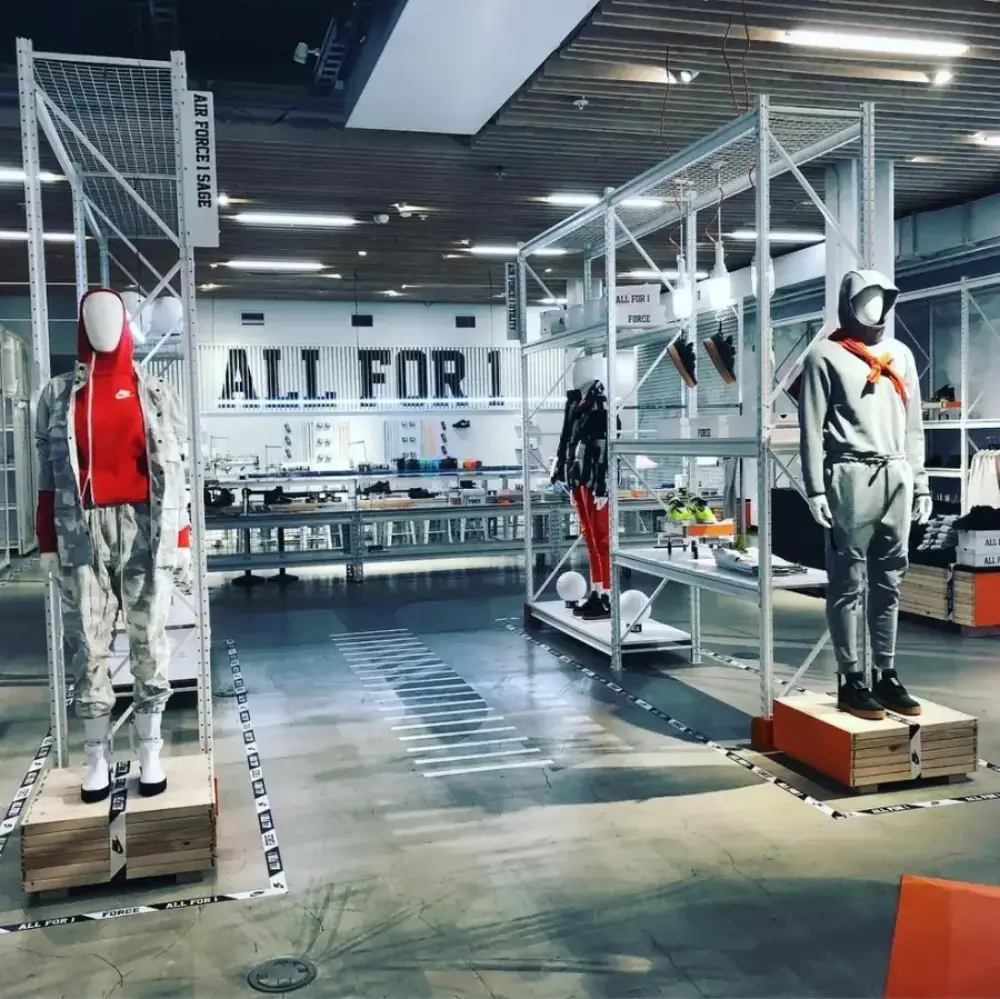
Learn what FF&E (Furniture, Fixtures & Equipment) means, what’s included, and why proper planning, logistics, and professional installation are essential for successful commercial projects.
Digital signage is transforming retail and commercial environments, but successful results depend on more than the technology. Learn how professional planning and installation create reliable, visually impactful digital display systems.
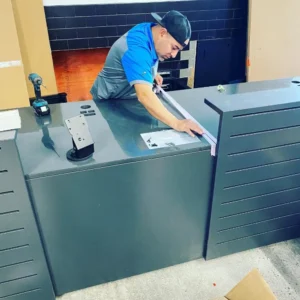
Planning a retail renovation? This retail store remodel checklist covers the essential steps to reduce delays, improve project coordination, and deliver a successful commercial remodel from planning through final installation.
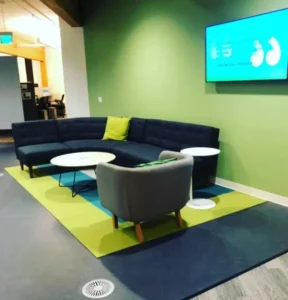
Planning an office renovation or relocation? Learn how professional office furniture installation helps businesses reduce downtime, improve efficiency, and create productive workspaces with expert planning and installation.
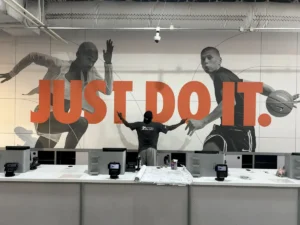
Discover why professional graphics installation is essential for retail stores. Learn how expertly installed wall graphics, window graphics, and branded displays create memorable customer experiences and strengthen brand consistency.