Retail Store Remodel Checklist: A Step-by-Step Guide for Successful Commercial Renovations
Every retail remodel starts with great excitement—new fixtures, updated branding, improved layouts, and the opportunity to create a better shopping experience. But behind every successful renovation is something customers never see: careful planning.
Retail remodels involve dozens of moving parts. General contractors, electricians, flooring crews, fixture installers, graphics teams, signage installers, and project managers all need to work together on a tight schedule. When even one step is overlooked, small problems can quickly become expensive delays.
After supporting commercial installation projects for retailers across a variety of industries, we’ve found that successful remodels rarely happen by chance. They follow a proven process that begins long before construction starts and continues through the final walkthrough.
Retail Store Remodel Checklist at a Glance
Whether you’re remodeling a single location or coordinating a multi-store rollout, this retail store remodel checklist will help you reduce delays, improve project coordination, and deliver a finished space that’s ready for customers on opening day.
✓ Define project goals
✓ Complete a professional site survey
✓ Build a realistic timeline
✓ Coordinate all trades
✓ Verify deliveries
✓ Plan graphics and signage
✓ Prepare the installation site
✓ Perform quality inspections
✓ Complete a final walkthrough
Define the Purpose of the Remodel
Before ordering fixtures or scheduling contractors, identify exactly what the remodel is intended to accomplish.
Common goals include:
- Refreshing an outdated store design
- Improving customer traffic flow
- Supporting new merchandising strategies
- Updating brand identity
- Increasing sales through improved layouts
- Installing new graphics or digital signage
- Improving accessibility
Every decision—from fixture selection to installation sequencing—should support these objectives.
Pro Tip: Create a written project scope before construction begins. A clearly defined plan helps contractors, installers, and vendors work toward the same outcome while reducing costly changes later in the project.
Complete a Professional Site Survey
One of the most valuable investments you can make before a retail remodel is a professional site survey.
Even if architectural drawings are available, existing conditions often differ from the original plans. Walls shift, utilities are relocated, previous renovations create unexpected obstacles, and dimensions can change over time.
A comprehensive site survey verifies:
- Building measurements
- Existing fixtures
- Wall construction
- Ceiling heights
- Electrical locations
- Network connections
- Flooring conditions
- ADA considerations
- Installation access
Identifying these conditions early allows project teams to solve problems before materials arrive.
Build a Realistic Project Schedule
Retail remodels succeed when every phase is coordinated—not rushed.
Many project delays occur because installation is treated as the final task instead of being incorporated into the overall construction schedule from the beginning.
Your project timeline should include:
- Design approvals
- Material production
- Shipping schedules
- Fixture deliveries
- Graphics production
- Signage installation
- Fixture installation
- Furniture installation
- Digital signage commissioning
- Final inspections
Allowing reasonable time between milestones gives every trade the opportunity to complete quality work without creating scheduling conflicts.
Pro Tip: Build contingency time into your schedule. Shipping delays and unforeseen site conditions are common on commercial projects.
Coordinate Every Trade Before Installation Begins
Commercial remodels require close coordination between multiple contractors working in the same environment.
Depending on the project, teams may include:
- General contractors
- Electricians
- Flooring installers
- Painters
- Millwork specialists
- Fixture installers
- Graphics installers
- Signage installers
- IT and AV professionals
Without communication, one delay can affect every team that follows.
Holding coordination meetings before installation begins helps everyone understand responsibilities, sequencing, and project milestones.
Let’s Build Your Next Retail Environment
Partner with Action Services & Programs for professional retail fixture installation and nationwide rollout support designed to keep your projects moving forward.
Verify Deliveries Before Installation Day
One missing component can delay an entire installation.
Before crews arrive, inspect all shipments and verify:
- Fixture quantities
- Hardware
- Graphics
- Signage
- Digital displays
- Installation instructions
- Shipping damage
For larger projects, organizing materials by installation sequence allows crews to work efficiently while minimizing unnecessary handling.
Pro Tip: Don’t wait until installation day to open boxes. Discovering damaged or missing materials early provides time to resolve issues without affecting the schedule.
Plan Graphics and Signage as Part of the Remodel
Graphics and signage installation should never be treated as finishing touches.
They play a significant role in customer navigation, merchandising, and brand consistency.
Coordinate installation for:
- Wall graphics
- Window graphics
- Directional signage
- ADA signage
- Digital displays
- Promotional graphics
- Wayfinding systems
Planning these elements early ensures they integrate seamlessly with new fixtures and finishes.
Prepare the Site for Installation Crews
Installation teams perform their best when the site is fully prepared.
Before installation begins, confirm that:
- Construction is substantially complete
- Floors are protected
- Lighting is operational
- Electrical systems are active
- Materials are staged
- Work areas are clear
- Other trades have completed their work
A properly prepared site allows crews to focus on quality installation instead of solving preventable issues.
Prioritize Quality Control Throughout the Project
Quality assurance should happen continuously—not just after the work is finished.
Inspect installations as each phase is completed.
Review:
- Fixture alignment
- Fasteners
- Graphics placement
- Signage positioning
- Display operation
- Finish quality
- Overall presentation
Addressing small issues immediately helps prevent larger punch-list items later.
Finish with a Comprehensive Walkthrough
Before reopening the store, perform a final walkthrough with the project team.
Verify that:
- Fixtures are secure
- Graphics are installed correctly
- Signage is level and complete
- Digital displays operate properly
- Punch-list items are resolved
- The sales floor is clean
- Customer pathways are unobstructed
This final inspection helps ensure the remodeled space reflects your brand and is ready to welcome customers.
Why Professional Installation Matters
Even the best retail design depends on proper execution.
A carefully planned remodel can still fall short if fixtures are misaligned, graphics are poorly installed, or signage doesn’t function correctly.
Professional commercial installation teams bring consistency, attention to detail, and field experience that help projects stay on schedule while maintaining quality standards.
For retailers managing multiple locations, that consistency becomes even more important. Customers should have the same experience whether they visit one store or one hundred.
How Action Services Supports Retail Remodel Projects
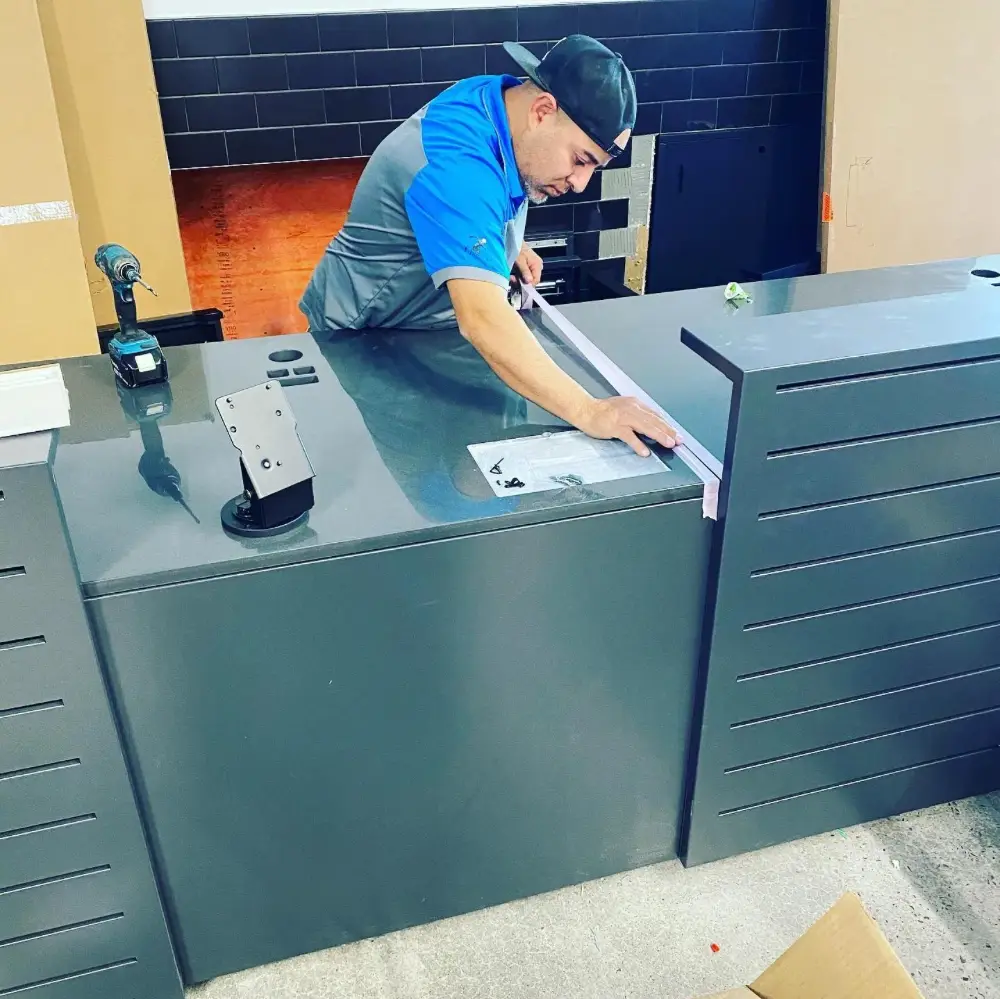
At Action Services & Programs, we partner with retailers, commercial contractors, and project managers to help execute remodels efficiently and professionally.
Our services include:
- Retail Installation
- Office Furniture Installation
- Graphics Installation
- Signage Installation
- Survey & Site Planning
- Custom Crating
- Multi-location Rollout Support
From pre-construction planning through final installation, we work as part of your project team to help minimize delays, improve coordination, and deliver consistent results.
Final Thoughts - Retail Store Remodel Checklist
Successful retail remodels aren’t built on last-minute decisions. They’re built on preparation.
A well-organized plan, accurate site information, coordinated trades, and experienced installation professionals all contribute to a smoother renovation and a better finished space.
Whether you’re refreshing a single storefront or managing a nationwide rollout, following a structured retail store remodel checklist can help reduce risk, improve efficiency, and create an environment that supports both your employees and your customers.
Ready to plan your next retail project rollout? Contact Action Services today to discuss your next retail rollout and learn how we can help keep your project on schedule.
Frequently Asked Questions
What should be included in a retail store remodel checklist?
A retail store remodel checklist should include project goals, site surveys, scheduling, trade coordination, fixture delivery planning, graphics and signage installation, quality control, and a final project walkthrough. Proper planning helps reduce delays and improve installation efficiency.
Why are site surveys important before a retail remodel?
Professional site surveys verify dimensions, utilities, wall conditions, and existing fixtures before construction begins. This information helps identify potential issues early, reducing change orders and keeping installation projects on schedule.
How long does a retail store remodel typically take?
The timeline depends on the size and complexity of the project. Small remodels may take several days, while larger renovations or multi-location rollouts can take several weeks or months. Planning and coordination are key to minimizing downtime.
When should graphics and signage be installed during a remodel?
Graphics and signage are typically installed after major construction and fixture installation are complete but before the final walkthrough. Coordinating these elements early helps maintain brand consistency and prevents scheduling conflicts.
How can businesses reduce delays during a retail remodel?
Businesses can reduce delays by completing site surveys, developing realistic schedules, coordinating all trades, verifying deliveries before installation, and working with experienced commercial installation professionals.