
When Do You Need a Commercial Site Survey?
When Do You Need a Commercial Site Survey? Not every commercial installation requires a site survey. Sometimes existing drawings, photographs,

Retail fixture installation delays can quickly turn into bigger project problems. A crew may arrive on schedule, only to find that materials are incomplete, the store is not ready, or another trade is still occupying the work area.
The good news is that most installation delays are predictable.
By identifying common problems before installation day, project managers can reduce downtime, avoid unnecessary labor costs, and keep store openings, remodels, and resets moving forward.
Here are eight of the most common causes of retail fixture installation delays—and what project teams can do to prevent them.
One of the simplest causes of delay is a jobsite that is not actually ready for the installation crew.
The space may still have ongoing construction, unfinished flooring, incomplete electrical work, blocked access, or other conditions that prevent the fixtures from being installed as planned.
Before scheduling installation, confirm:
A confirmed installation date is not enough. The site itself needs to be ready.
Drawings and floor plans provide the intended layout, but existing stores often have conditions that are different from what was expected.
Unexpected columns, uneven floors, relocated utilities, tight clearances, or changes to walls can create problems once fixtures arrive.
A professional site survey can identify these conditions before they become installation-day surprises.
For larger programs, documenting each location in advance can also help project teams account for differences between stores rather than assuming every location will install exactly the same way.
An installation crew cannot complete the job if critical components are missing.
Common problems include:
These issues are especially disruptive when the missing item is something small but essential to completing the installation.
Material checks should happen before the crew begins work—not after an installer discovers a problem halfway through the project.
Even when all materials are available, poor delivery coordination can delay installation.
The project team should confirm:
For multi-location projects, delivery and installation schedules need to work together. A fixture arriving too early can create storage problems; arriving too late can leave an installation crew waiting.
Partner with Action Services & Programs for professional retail fixture installation and nationwide rollout support designed to keep your projects moving forward.
Retail installations often depend on other work being completed first.
For example, an installation may require:
Site preparation → fixture installation → graphics → signage → merchandising
If those activities are not sequenced properly, one delayed trade can create downtime for everyone else.
Installation teams should understand what work must be completed before they arrive and what work will follow after installation.
This is particularly important during remodels and store resets, where multiple contractors may be working within the same space.
A fixture may be physically delivered to the store without being ready for efficient installation.
Packaging, labeling, assembly instructions, hardware, and fixture identification all affect how quickly crews can work.
Poor labeling is an easy example. If installers have to spend time determining which components belong in each area of the store, installation slows down before assembly even begins.
Clear fixture identification and organized materials can make a significant difference on larger projects.
Last-minute changes are one of the fastest ways to disrupt an installation schedule.
A fixture may need to move. A layout may change. A component may need to be modified because of an existing condition.
Some field changes are unavoidable. The problem occurs when there is no process for handling them.
Project teams should establish in advance:
A clear decision-making process keeps a small field issue from becoming a major scheduling problem.
Installation delays do not always happen at the beginning of the job. Sometimes they appear at the end.
Without a defined closeout process, small issues can remain unresolved:
A punch list gives the project team a clear way to identify and resolve these items before the store is handed over.
For multi-location programs, using a consistent closeout process can also make it easier to track completion and maintain standards from one location to the next.
The most effective way to reduce installation delays is to address problems before the crew arrives.
A practical pre-installation review should confirm five things:
Is the space ready, accessible, and accurately documented?
Are all fixtures, components, and hardware complete and accounted for?
Are delivery, installation, construction, and other trades properly coordinated?
Does everyone know the scope, schedule, contacts, and process for handling issues?
Is there a clear process for punch-list work and final approval?
These checks are simple, but they can prevent many of the issues that cost installation teams time in the field.
The installation crew is often the last team in the process before the store moves into merchandising, opening, or final turnover.
That means the installer needs to do more than assemble fixtures.
A strong installation partner can help identify field issues, communicate problems quickly, coordinate with other teams, and complete the work to the approved specifications.
Action Services & Programs provides retail installation services for new store openings, remodels, merchandising resets, fixture rollouts, and branded retail environments nationwide. The team also supports site surveys and planning, graphics installation, signage installation, office furniture installation, and other commercial installation needs.
Most retail fixture installation delays do not begin when the installer picks up a tool.
They begin earlier—with incomplete information, uncoordinated schedules, missing materials, or unresolved site conditions.
The more of those issues a project team can identify before installation day, the less time the crew spends waiting, troubleshooting, or making field corrections.
Good installation planning is ultimately about making the jobsite predictable.
When the site is ready, the materials are complete, the schedule is coordinated, and everyone knows how to handle problems, the installation has a much better chance of staying on track.
From retail fixtures and displays to site surveys, graphics, signage, and office installations, our team provides nationwide project support with a focus on reliable communication, efficient execution, and professional results.
Contact Action Services & Programs to discuss your next retail installation project.
There is rarely one single cause. Common problems include incomplete site preparation, inaccurate site conditions, missing materials, delivery issues, poor trade coordination, and last-minute changes.
A site survey can identify dimensions, access limitations, existing conditions, utility locations, and other potential problems before installation begins. This gives project teams an opportunity to address issues before the fixtures and installers arrive.
Confirm the installation area is ready, access and delivery requirements are understood, materials are complete, staging space is available, and the installation schedule is coordinated with other project activities.
Standardized installation instructions, site documentation, material checks, communication procedures, and closeout processes can help reduce inconsistencies across locations.
A punch list should identify incomplete work, alignment issues, missing components, damaged materials, incorrect placement, cleanup requirements, and any other items that must be resolved before final approval.
From the field to The Blueprint—explore practical guides and planning resources covering retail installation, site surveys, office furniture, signage, and other commercial project considerations.

When Do You Need a Commercial Site Survey? Not every commercial installation requires a site survey. Sometimes existing drawings, photographs,

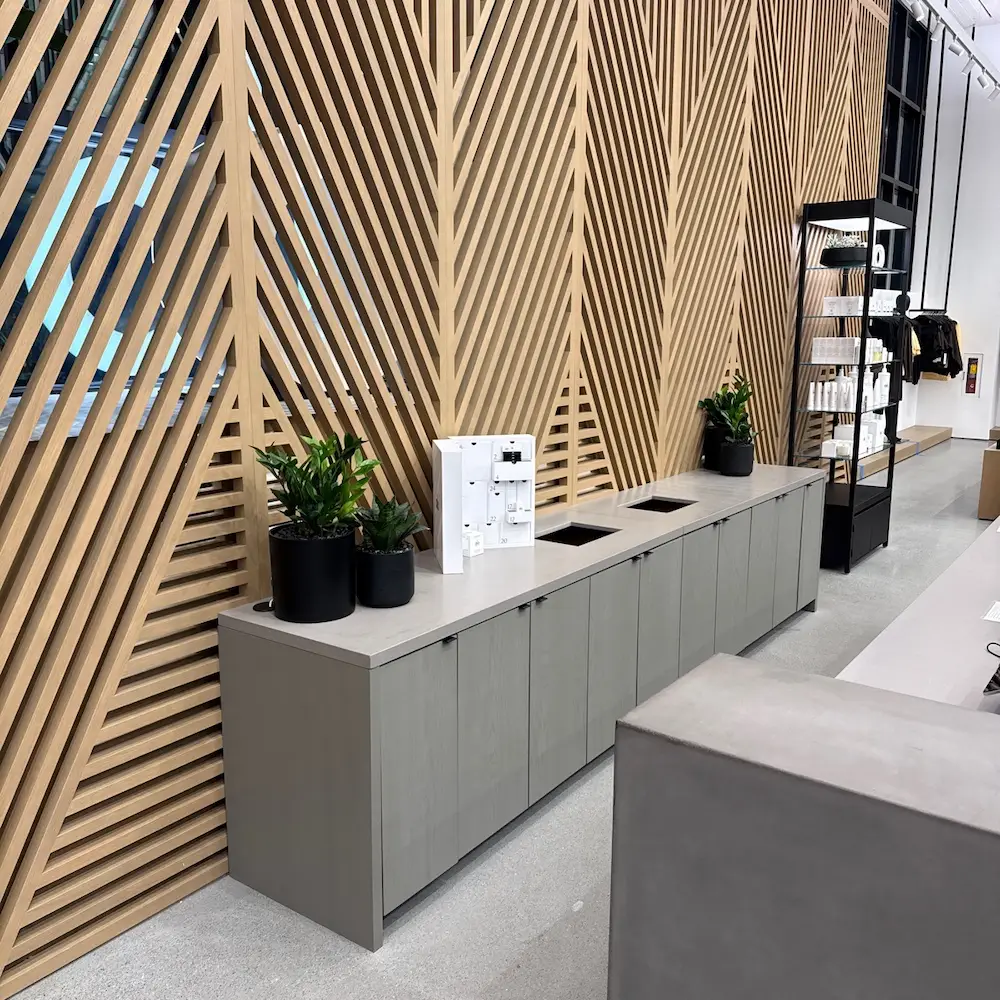
Planning an office furniture installation? Learn 10 essential steps to prepare your space, coordinate delivery and access, avoid common delays, and ensure a smooth installation from start to finish.
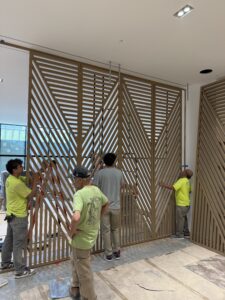
Retail fixture installation delays can disrupt schedules, increase costs, and create problems across an entire store project. Learn about the most common causes of delays and the steps that can help keep fixture installation on track.
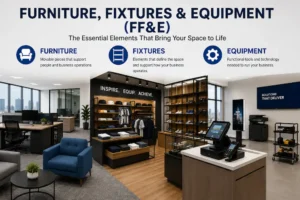
Learn what FF&E (Furniture, Fixtures & Equipment) means, what’s included, and why proper planning, logistics, and professional installation are essential for successful commercial projects.

Digital signage is transforming retail and commercial environments, but successful results depend on more than the technology. Learn how professional planning and installation create reliable, visually impactful digital display systems.
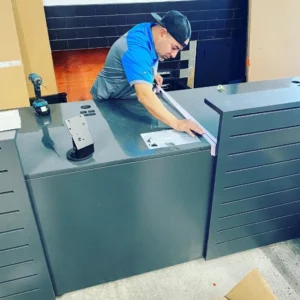
Planning a retail renovation? This retail store remodel checklist covers the essential steps to reduce delays, improve project coordination, and deliver a successful commercial remodel from planning through final installation.
Action Services believes informed clients build better projects. We’ve compiled trusted industry organizations and standards that can help you plan safer, more efficient commercial installation and remodel projects.